

making you awesome
ONE BLOG A AT TIME
Rhode Did Not Build a Customer Base. It Built a Waiting List.
What Rhode’s Marketing Strategy Can Teach Every Brand in 2026
by Mattie Smith, Brand & Business Strategist
July 22, 2026
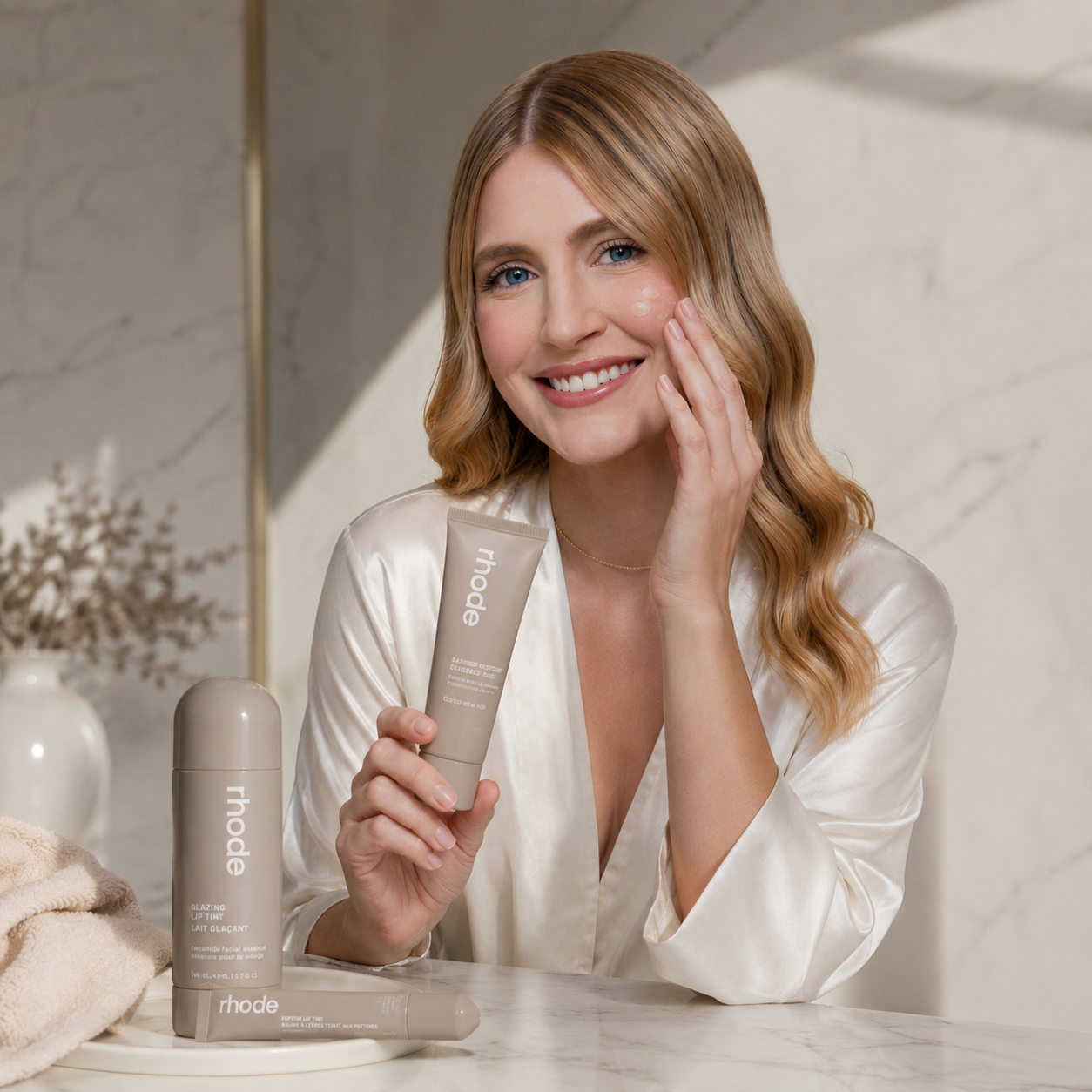
Here’s a slightly uncomfortable truth: most brands don’t have a community. They have customers. They have followers. They have an email list, a social calendar and a few people who reliably like every post. That is not necessarily a community.
A real brand community forms when people do more than purchase the product. They share it without being asked. They recognize the brand instantly. Rhode has built exactly that.
Launched by Hailey Bieber in 2022, Rhode went from celebrity-backed skincare brand to serious business remarkably quickly. The company generated $212 million in net sales during the 12 months ending March 31, 2025, more than doubled its consumer base over the previous year and was ultimately acquired by e.l.f. Beauty in a deal valued at up to $1 billion.
Rhode Builds Moments, Not Marketing Checklists
Many brands approach campaigns like a series of tasks:
Launch the product.
Write the post.
Run the ads.
Send the email.
Move on.
Unlike others, Rhode treats campaign launches like events. Product drops, pop-ups, retail activations, collaborations and limited releases are designed to create anticipation before launch day and conversation afterward.
This principle is not exclusive to beauty brands. A financial institution can turn a youth account launch into a rite-of-passage campaign. A school can make enrollment season feel like an invitation into a community. A nonprofit can make giving feel like participation in visible progress. A law firm can build a recognizable educational series instead of publishing another generic legal tip.
They Create Anticipation Instead of Constantly Demanding Attention
Many companies market with the subtlety of someone repeatedly tapping you on the shoulder.
Do not miss this.
Apply today.
Register now.
We are excited to announce.
Last chance.
Every message asks the audience to act immediately, even when there is no meaningful reason for urgency.
Rhode takes a more controlled approach. It uses focused product assortments, waitlists, limited-edition shades, seasonal collections and carefully timed releases. Its current website continues to emphasize limited items, early access and waitlist signups as part of the customer experience.
The Product Was Designed to Market Itself
One of Rhode’s smartest products was not another moisturizer. It was a phone case designed to hold its lip treatment. The idea solved a tiny problem and practically begged to appear in mirror selfies, TikToks and Instagram posts.
The best organic marketing often begins before the social post is written. It begins with the experience itself. Think about it: a home-service company may not produce a viral phone case but it can create a dramatically cleaner customer experience, a memorable leave-behind or a before-and-after moment worth sharing.
You do not need a beauty product. You need an experience that people want to be associated with.
They Participate in Culture Without Becoming a Costume
Many brands confuse cultural relevance with trend participation. This is what it looks like:
A trend appears. The brand copies it. Legal approves it nine days later. The post goes live after everyone has moved on.
Fashion, travel, beauty rituals, seasonal launches and celebrity collaborations all enter Rhode’s world without making the brand feel like a different company every week.
Before jumping onto a trend, brands should ask: would this still feel like us without our logo attached? When the answer is no, the brand is borrowing attention rather than building recognition.
They Made the Brand Bigger Than the Product
Rhode sells skincare and beauty products, but the brand itself is selling an identity: simplicity, polish, effortlessness, aspiration and membership in a particular aesthetic world.
That emotional layer is why a competitor can produce a similar lip treatment without reproducing the same response. Products can be duplicated. Features can be matched. Prices can be undercut. A deeply established brand is far harder to copy.
Celebrity Attention May Open the Door. It Cannot Build the Entire House.
It would be ridiculous to pretend Hailey Bieber’s visibility had nothing to do with Rhode’s early success. Of course it helped. Celebrity attention can generate an initial launch, but it cannot automatically generate repeat purchases, brand loyalty, and hundreds of millions of dollars in annual sales.
Rhode used its founder’s visibility as an accelerant—not a substitute for strategy. The brand still needed:
Products people genuinely wanted
A disciplined assortment
Consistent creative direction
Strategic collaborations
A strong direct-to-consumer experience
What Every Brand Can Take From Rhode
You do not need celebrity reach, a billion-dollar valuation or a product capable of becoming a fashion accessory. You need discipline to do the following:
Stop treating every campaign like a checklist. Create a central idea people can experience, recognize and discuss.
Give your biggest moments room to breathe. Constant promotion kills anticipation. Decide what deserves the spotlight.
Build sharing into the experience. Do not only ask people to post. Give them something they naturally want to show.
Sell the meaning, not only the mechanics. Features explain what a product does. Brands communicate why choosing it feels right.
The Bigger Marketing Lesson
Rhode’s success is not a lesson in copying a minimalist aesthetic, releasing limited editions or hiring more influencers. It wins by creating the most meaning.
The strongest brands make customers feel like they are entering a world—not completing a transaction. They build experiences instead of isolated campaigns. They create anticipation instead of constant promotion.
Your brand may never sell a $18 lip treatment in a phone case. That’s not the point. The point is to create something people recognize, remember, and want to be part of.