

making you awesome
ONE BLOG A AT TIME
What the Summer House Reunion Reveals About Modern PR & Personal Branding
May 26, 2026
Reality television used to be about drama. Now it’s about optics.
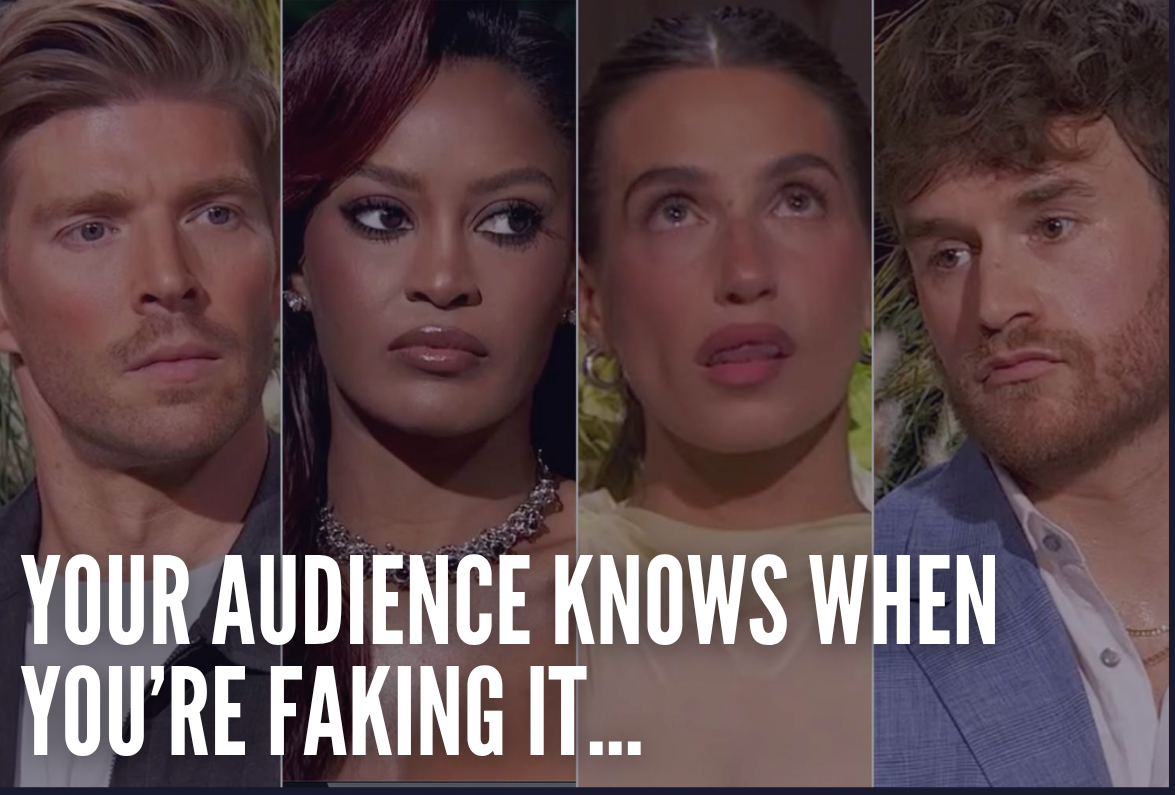
Watching the highly anticipated Summer House reunion in 2026 feels less like watching a group of friends argue and more like watching a real-time case study in modern PR, personal branding, audience perception, and reputation management unfold in front of millions of people.
Because today’s reality stars are no longer just reality stars. They’re individual brands. They’re influencers, podcast hosts, media personalities, sponsorship deals, affiliate partnerships, social media audiences, and carefully managed public identities all wrapped into one.
And viewers know it.
by Mattie Smith, Brand & Business Strategist
That’s what makes modern reality television so fascinating right now: audiences are no longer simply reacting emotionally. They’re analyzing behavior like PR teams, crisis managers, and social strategists.
Who feels authentic? Who feels rehearsed? Who is self-producing? Who is controlling the narrative?
And who looks like they came into the reunion with a media-trained response prepared weeks in advance?
Shows like Summer House are no longer confined to television episodes airing once a week. The cast exists inside a much larger ecosystem made up of:
podcasts
sponsorships
influencer campaigns
social media audiences
affiliate partnerships
brand deals
interviews
appearances
and constant online discourse
The reality show itself is now only one piece of the overall brand machine. The cast is no longer just protecting friendships or defending themselves during arguments. They’re protecting careers, audience loyalty, sponsorship potential, public perception, and long-term relevance.
That’s the Bravo effect.
Reality television has quietly evolved into a masterclass in modern brand management. And audiences have become incredibly skilled at detecting behavior that feels performative.
Not imperfect. Performative. There’s a difference.
Viewers no longer expect reality stars, influencers, or brands to be flawless. In many cases, messy behavior is actually more forgivable than behavior that feels overly calculated or strategically managed.
What audiences reject now is the feeling that someone is trying too hard to control perception.
The over-produced apology.
The rehearsed reunion response.
The perfectly timed vulnerability.
The selective accountability.
The strategic silence.
The podcast tour immediately after backlash.
The sudden therapy language that sounds suspiciously media-trained.
Consumers have become hyper-aware of image management because social media trained them to be. The harder someone tries to appear authentic, the easier it becomes for audiences to sense when it isn’t real.
That’s why public perception shifts so quickly on shows like Summer House. Fans are no longer reacting only to conflict itself; they’re reacting to authenticity cues. Does someone feel emotionally honest? Or do they feel aware of the cameras? That distinction matters more than ever.
And it applies to almost everyone on the cast: Amanda. West. Ciara. Carl. Lindsay. Literally all of them.
SOCIAL MEDIA HAS CHANGED REALITY TV FOREVER
Reality television used to end when the episode ended. Now the real show is happening online, after hours. The cast is no longer competing only inside the house. They’re competing inside:
TikTok edits
podcast interviews
Reddit threads
Instagram comments
reunion leaks
Twitter discourse
fan theories
and algorithm-driven opinion cycle
Fans actively shape narratives in real time. One TikTok clip can completely change public sympathy overnight. One podcast appearance can shift audience perception for an entire season. One poorly delivered reunion answer can dominate social conversation for weeks.
Audiences are no longer relying solely on edited episodes to form opinions. They’re analyzing interviews, social media behavior, digital body language, comment sections, and off-show interactions as part of the overall narrative.
WHAT BRANDS CAN LEARN FROM IT
Authenticity is no longer just a branding trend. It’s becoming a competitive business advantage. The more people try to manufacture authenticity, the easier it becomes for audiences to recognize when it’s forced. And that hurts the brands connected to them.
The brands winning right now are not necessarily the loudest or the most polished. In a world increasingly filled with AI-generated content, overly optimized branding, and constant digital noise, authenticity has become one of the hardest things to fake.
While reality television may seem far removed from traditional marketing strategy, in many ways it’s become one of the clearest reflections of how modern audiences evaluate brands in real time.
When it comes to your brand, keep this in mind:
People trust recognizable behavior.
Consistency matters.
Audiences punish obvious image management.
Relatability outperforms perfection.
Emotional connection drives loyalty.